The Agricultural Legacy at Hill Farm
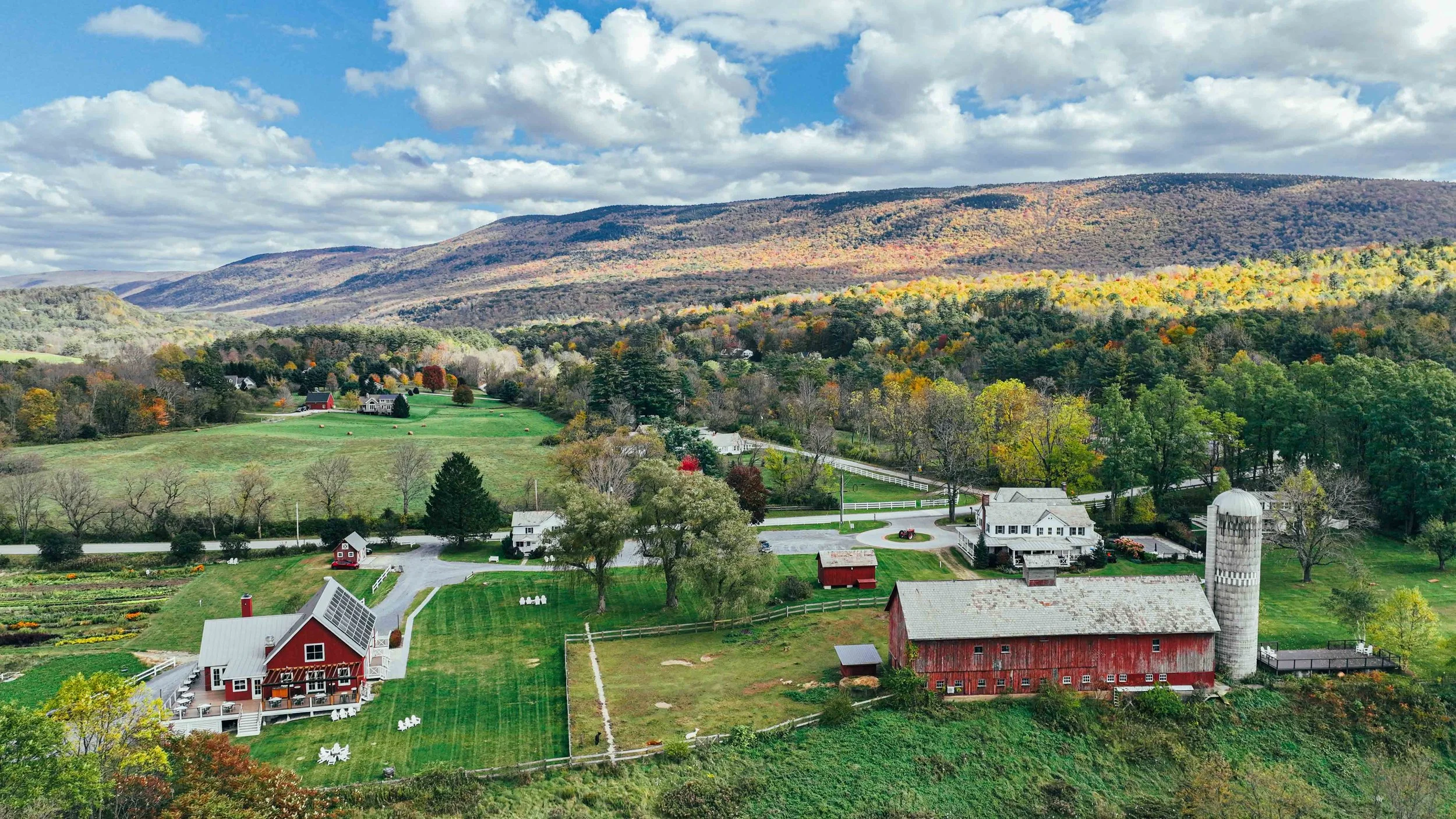
Nestled on 70 acres in the Equinox Mountain Valley, Hill Farm holds the legacy of Vermont agriculture in its soil.
Original land of the Mohican and Abenaki tribes.
1790
Vermont is established as the 14th state.
1799
The Hill Family buys 400 acres to create Hill Farm. The 1790 House was their original home. Anecdotal history of Hill Farm’s patriarch, Abner Hill, suggests he is one of the original Green Mountain Boys and fought alongside Ethan and Ira Allen in the Revolutionary War.
1830
Hill Farm Inn opens its doors to travelers. This becomes a way to diversify revenue streams while
the farm transitions from growing wheat and corn
to a livestock and dairy operation.
1996
Last of the cattle leaves the property. The property is bought and sold by different people, remaining in agricultural use until 1996.
2012
The Pollard family purchases Hill Farm Inn and restores the historic buildings, marrying luxury with quintessential New England charm.
2022
Vegetable farming is reintroduced to the property, with a focus on regenerative practices and the addition of a market garden. The Restaurant at Hill Farm opens, showcasing organic farm-to-table cuisine sourced from our own garden and local farms.
What is a Market Garden?
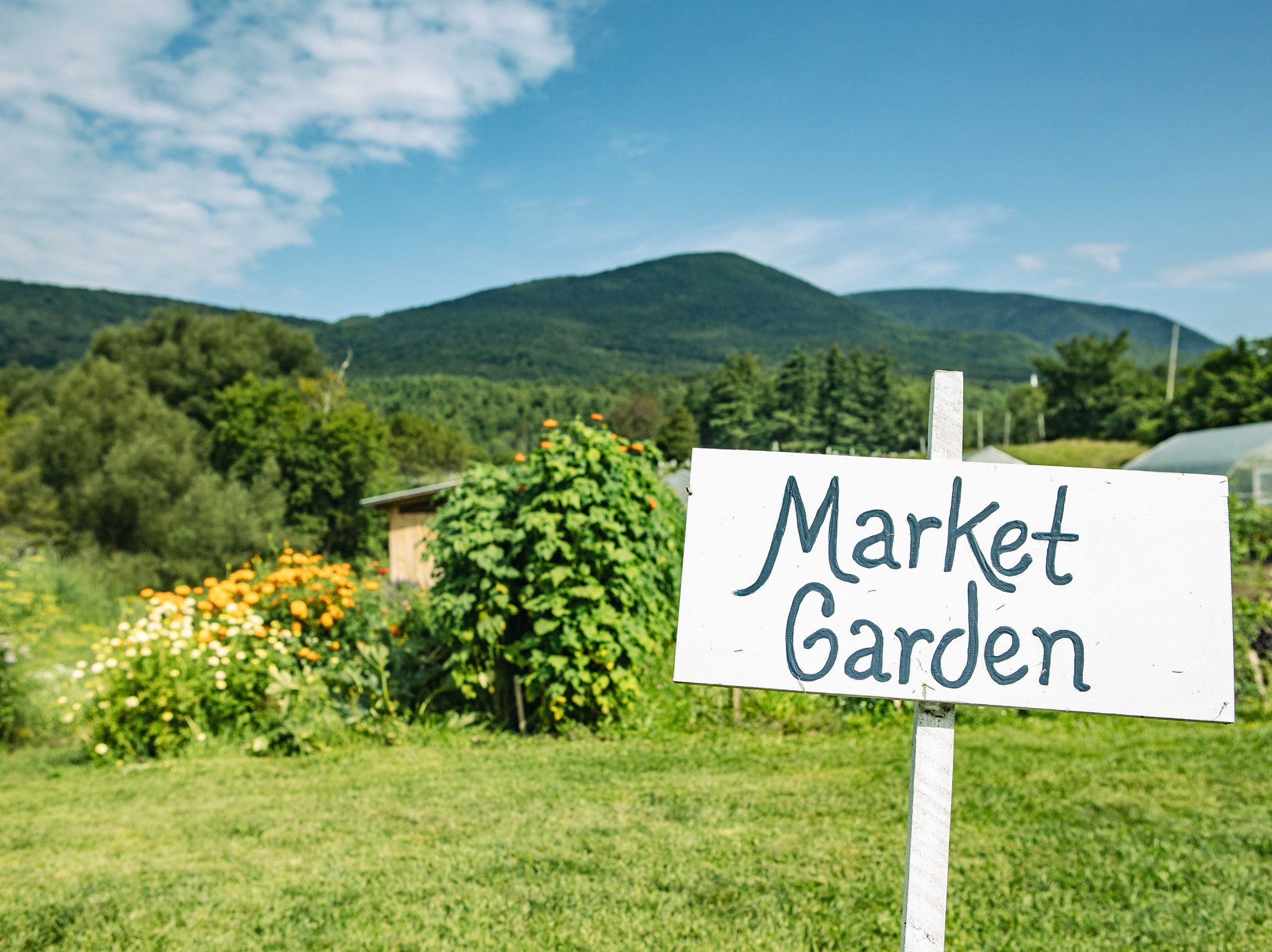
At Hill Farm, we have reintroduced agriculture through a vegetable and flower farm. This particular form of vegetable farm is often referred to as a ‘market garden.’
A market garden is a small-scale, diverse farm offering vegetables, fruits, and flowers sold directly to consumers and restaurants. On less than an acre, this type of farm can produce an incredible amount of food. Here are a couple of key features:
The term was coined based on its ability to be both economically and environmentally sustainable as a smaller-sized farm.
Certain crops (like tomatoes and cabbage) pull lots of nutrients from the soil. For this reason, we follow these crops with plantings that add nutrients back to the soil (cover crops such as buckwheat, rye, and clover). Along with adding compost, this is key to balancing nutrients in the ground and keeping the surrounding ecosystem healthy.
Adding greenhouses and creating a rolling harvest keeps peak-of-season vegetables, herbs, and flowers available for menus at The Restaurant at Hill Farm.