What is the history of the red barn at Hill Farm?
The red barn at Hill Farm is a historic dairy barn, built to shelter the livestock and feed of a working Vermont farm. That purpose took shape in 1830, when Hill Farm turned from growing wheat and corn to raising livestock and dairy, ahead of much of Vermont, which was still raising sheep for wool.
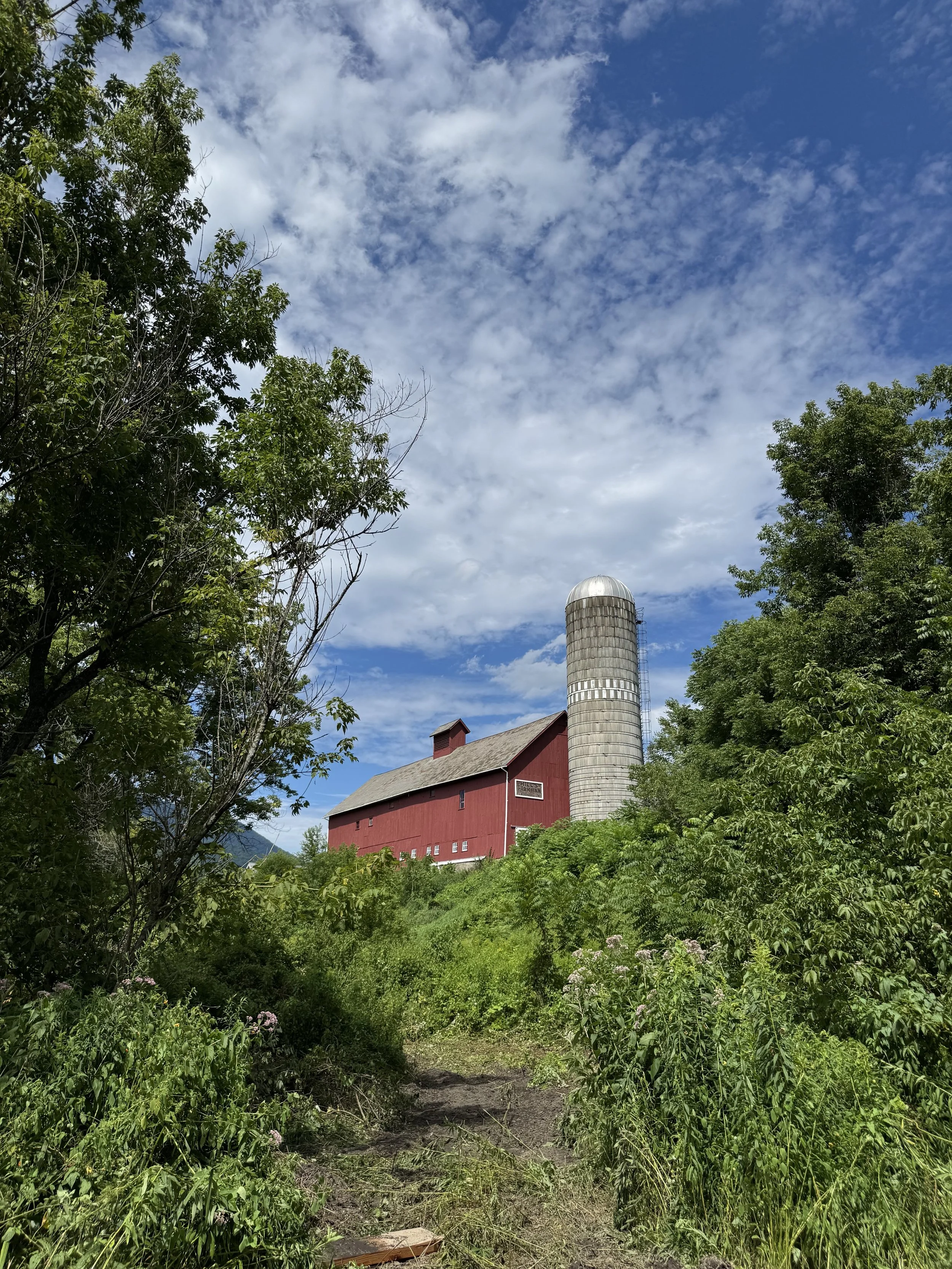
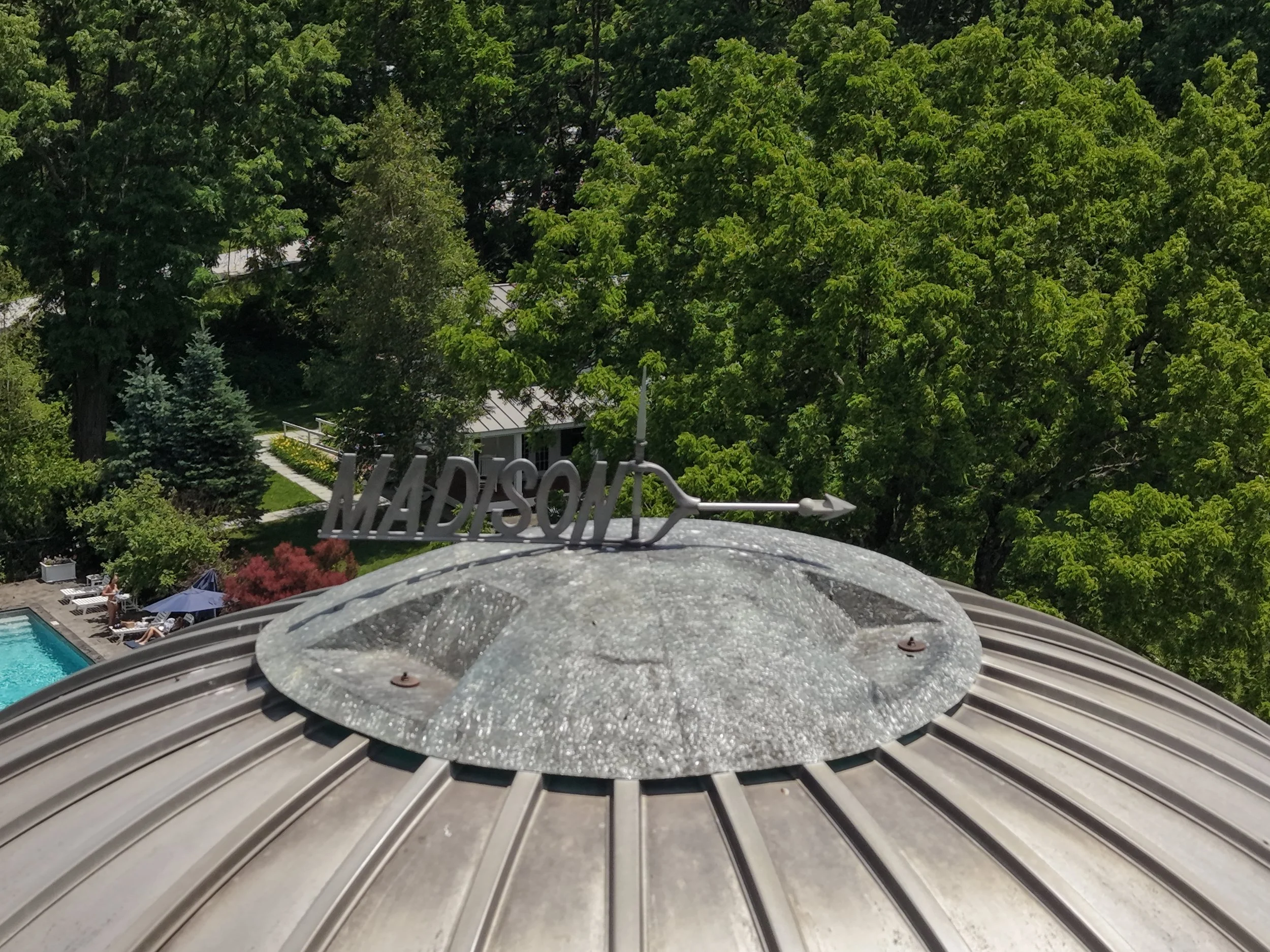
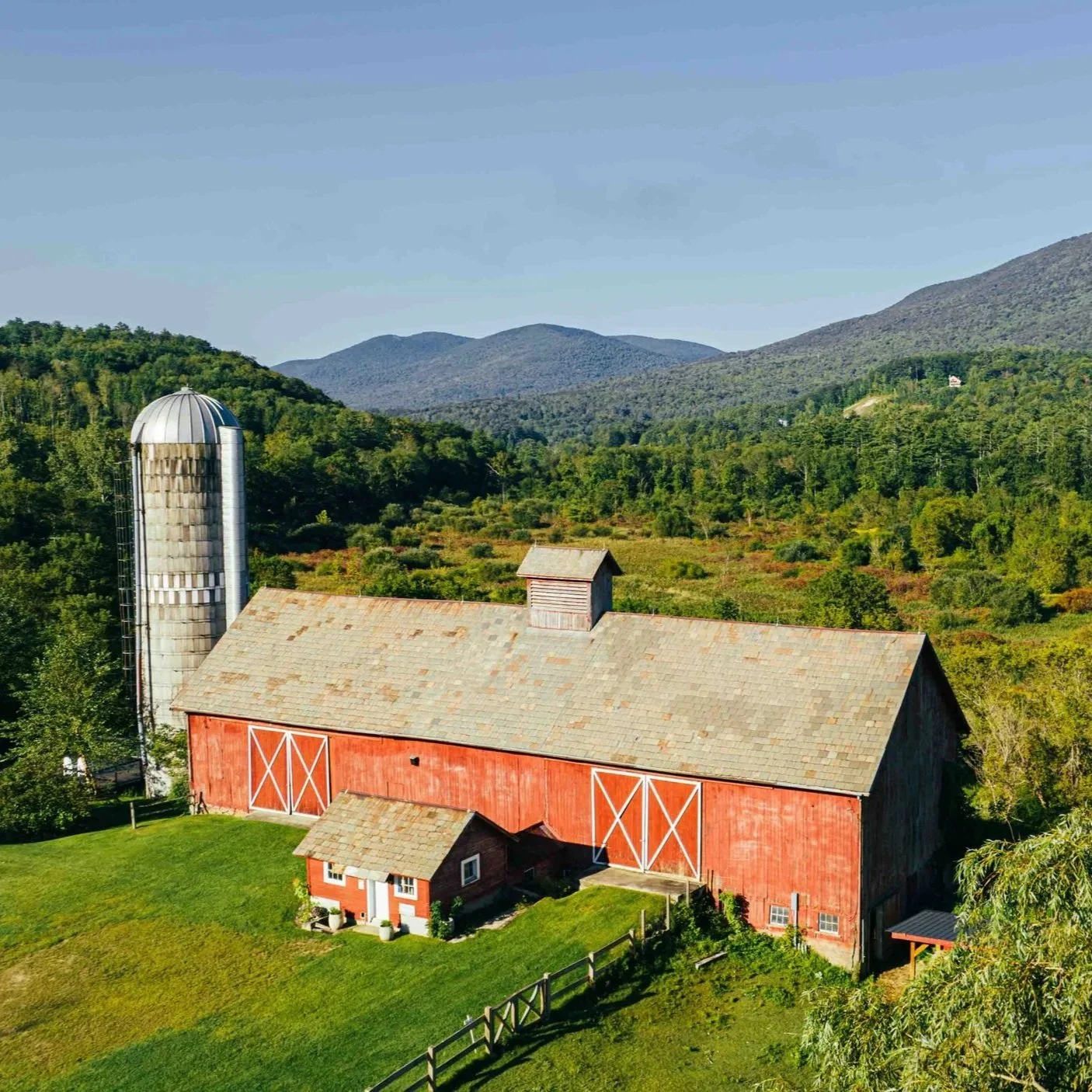
Photo Credit on Silo Aerial: W. GodfreyIn Vermont, a “hill farm” was a small family farm worked on the upland slopes, where stony ground kept the acreage modest, and the distance to the nearest creamery or rail line was far. Our Hill Farm is not actually a “hill farm.” It sits in the Battenkill Valley and takes its name from the Hill family, who farmed here starting with Abner Hill Jr. in 1799. The name is a fitting coincidence.
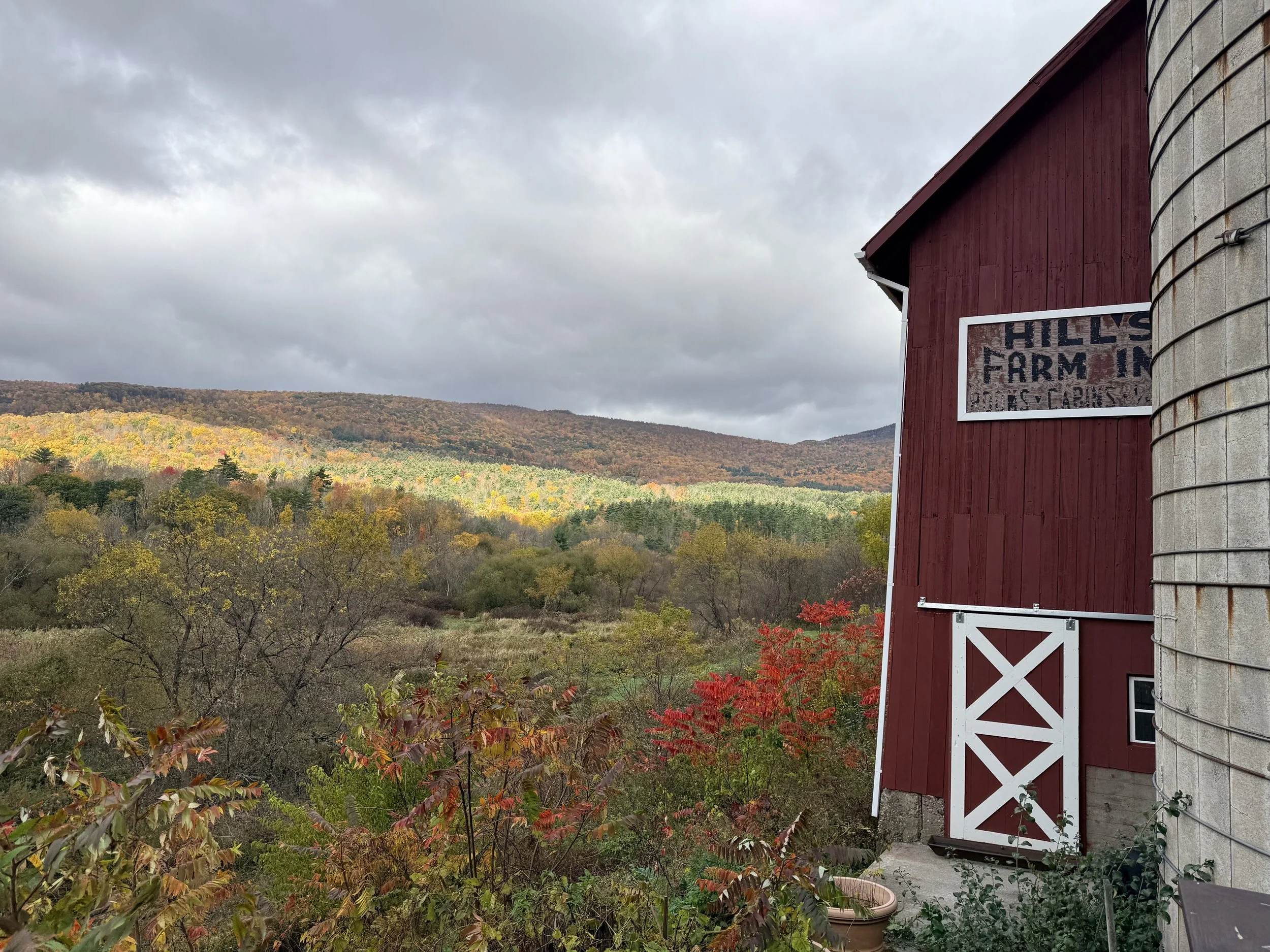
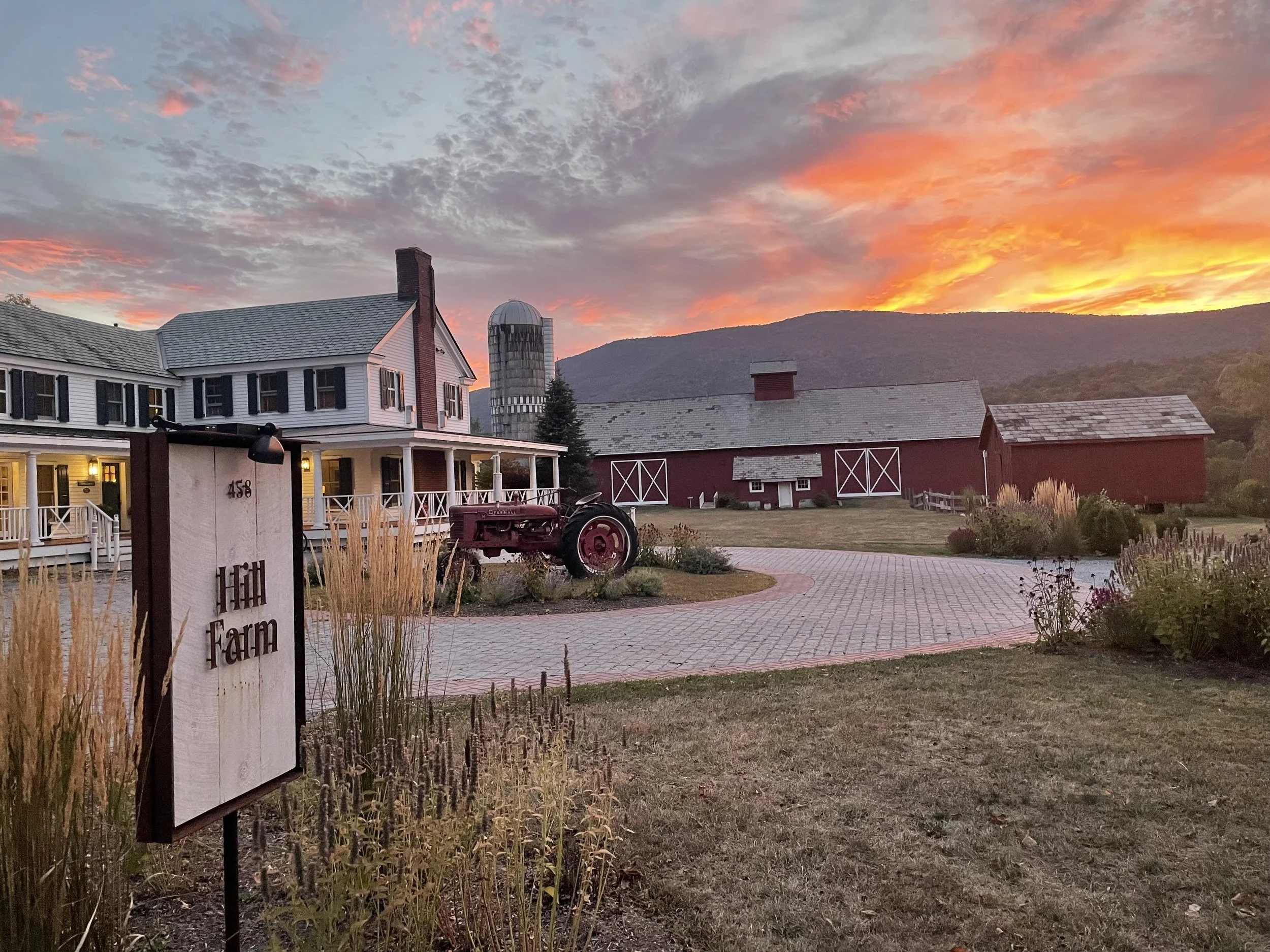
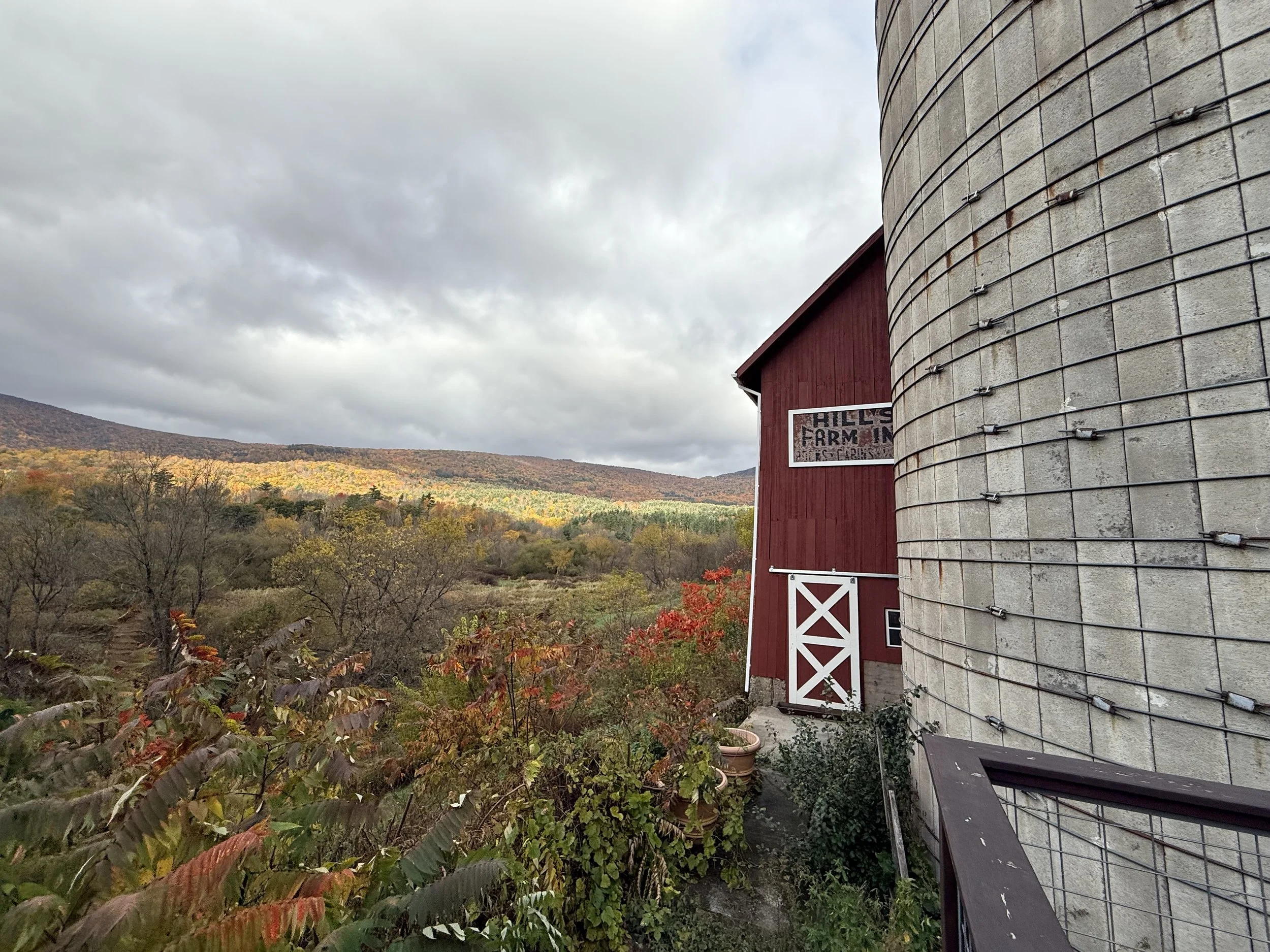
By 1900, Vermont led the country in butter, and later its milk rode the rails to Boston and New York. Remote hill farms faded as markets moved toward creameries and rail lines, but valley farms with good hay and corn ground kept going. At Hill Farm, the barn sheltered the herd, and the silo carried it through winter until the last cows left in 1996.
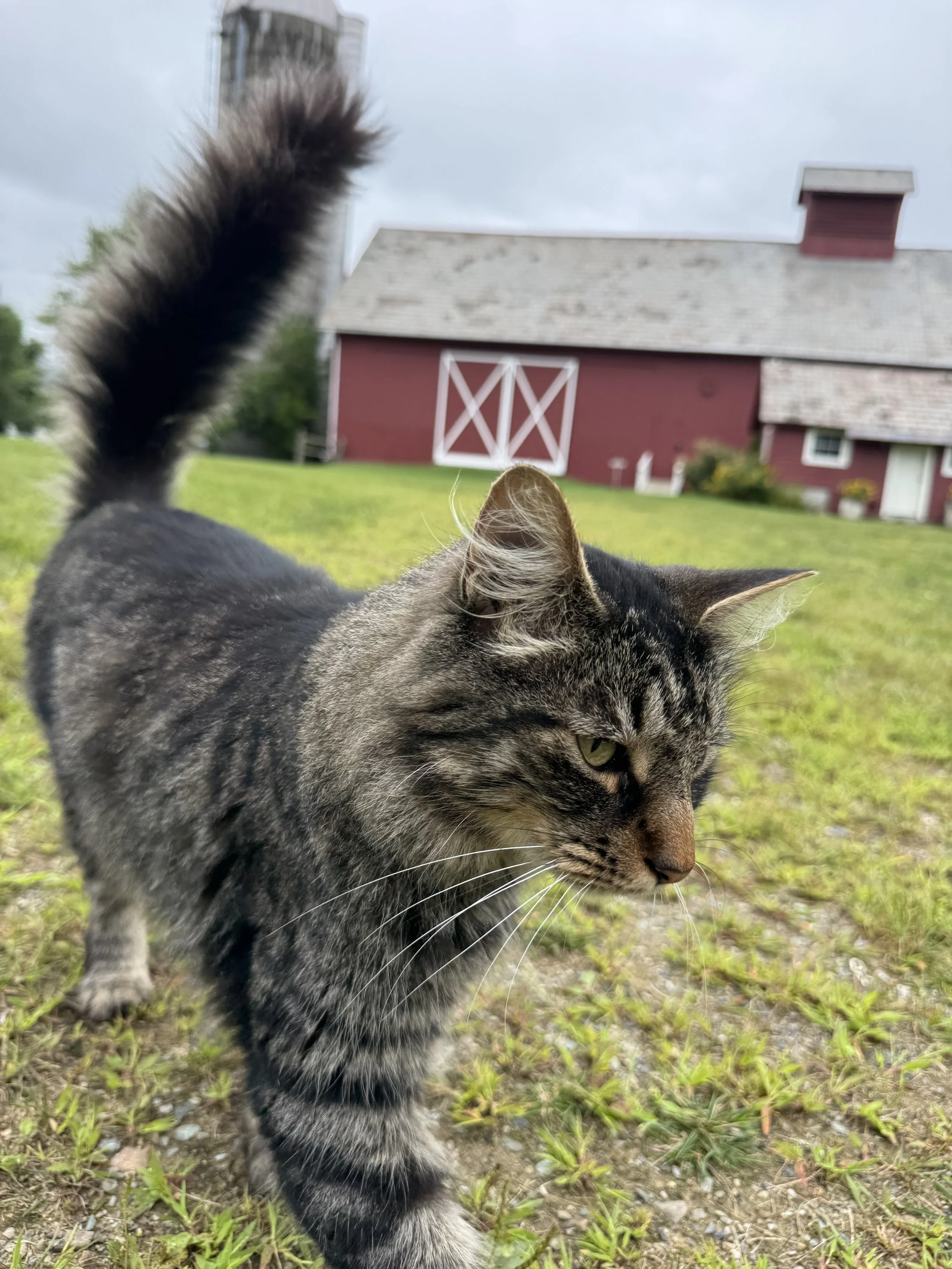
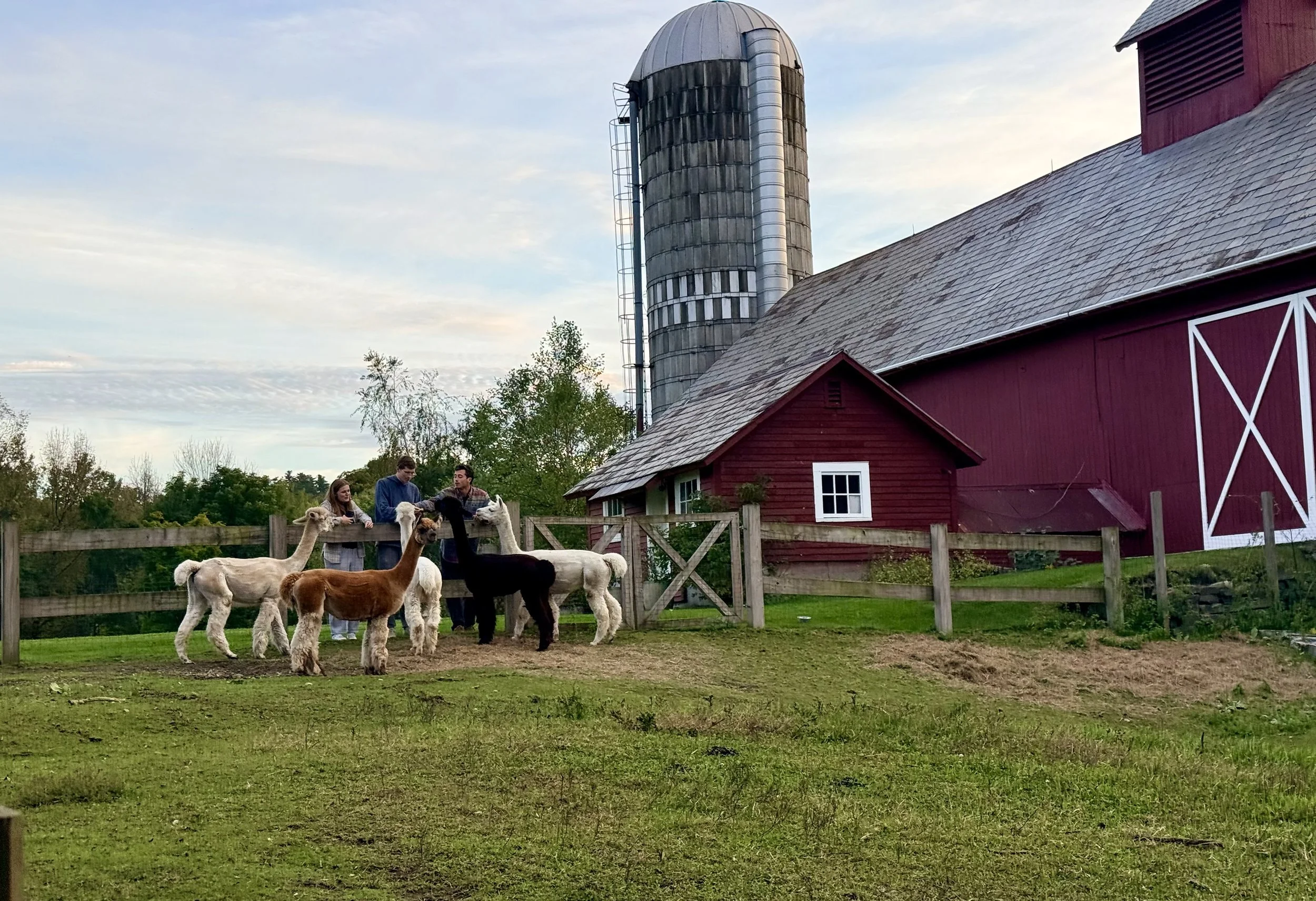
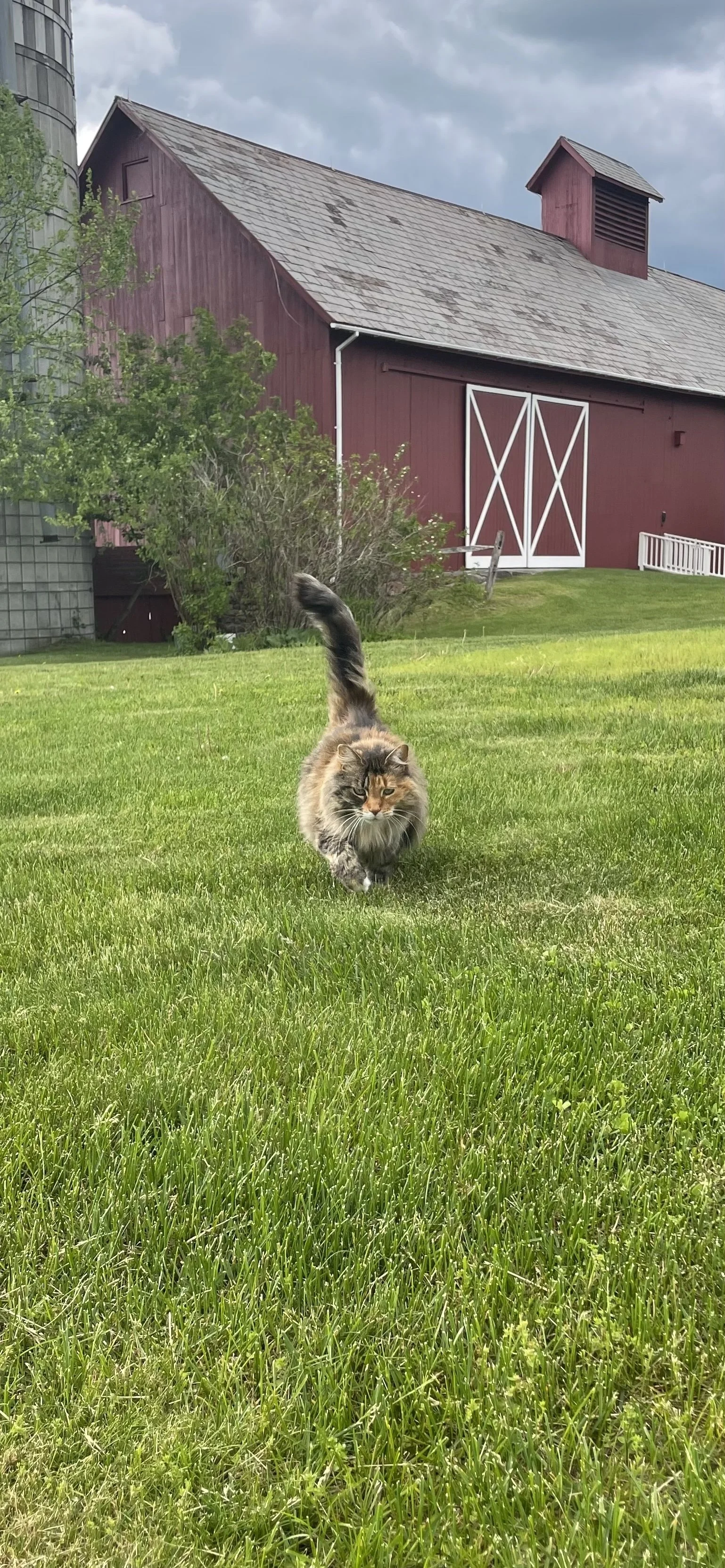
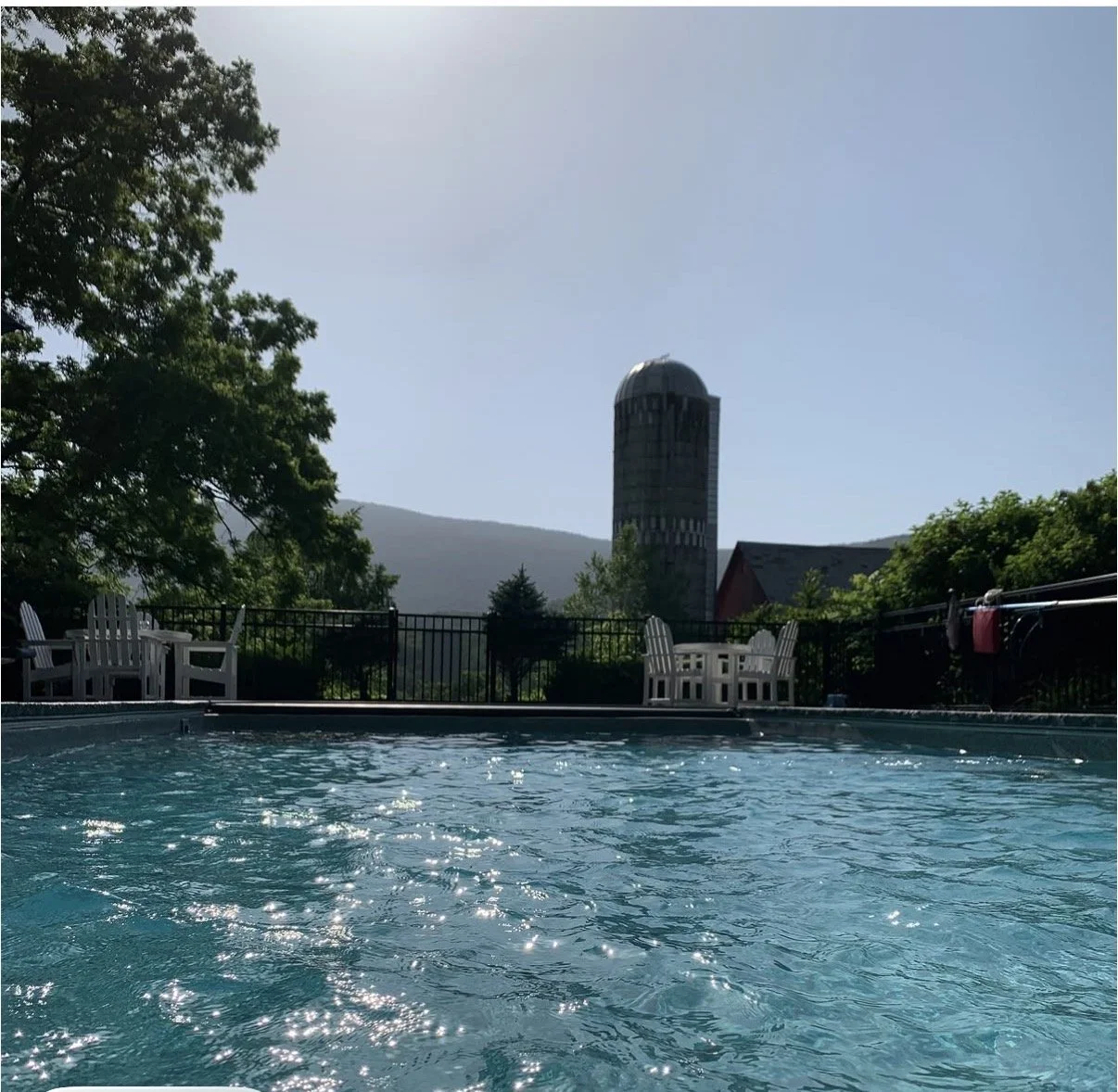
The old sign on the barn’s face still points travelers to rooms and cabins. Today the barn is home to the lady alpacas and two barn cats, Maple and Tiger, and the silo marks the view from the Saline Pool.